


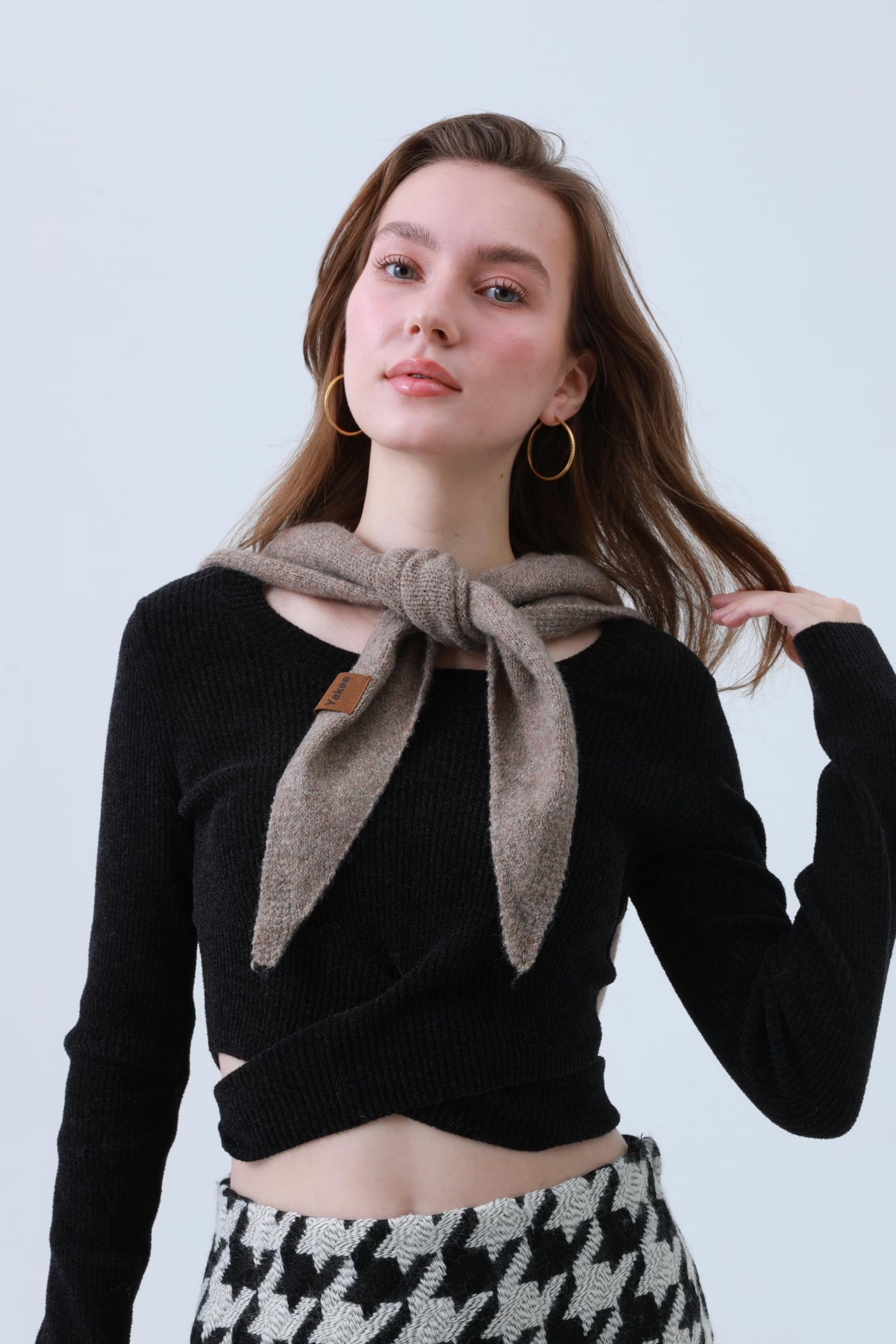
The Sector of Fashion and Apparel
In the various world systems, clothing is the oldest of all human inventions. Over the years, clothing has changed workably and what started out as covering the body for protection has now changed to serve as a potent means of protection, self-expression, and innovative culture. Fashion is a reflection of society as it is not more about covering the body, it is a means of story telling, statement making, and identity shaping.
The World Over in Time
Clothing has always been a reflection of what society possesses, The Animal skins of the early ages, the fine clothes of modern history, the elaborate Actor Attires like in Asia , The garments in Medieval European Society, and the Industrialized Modern society with, what is now called, Fashion, and Globalization. Clothing has always been a reflection of what society possesses. The fine clothes of modern history, the elaborate Actor Attires like in Asia , The garments in Medieval European Society, and the Industrialized Modern society with, what is now called, Fashion, and Globalization has always blended from different parts of the world in contemporary society.
Clothing as a Reflection of Society
Each society and stratum of society is expressed differently across the different regions and country in the in the clothing/style they wear. A Tailored suit, or a ripped jean, or a fashionable uniform, or a luxurious couture all serve to express different stratum or types of societies as well as different artistic values, and even to some extent, different political values. Clothing of different styles and based on the climate serve, in some sense, to express different types of societies
The Fashion Industry
The fashion industry is one of the biggest industries in the world pulling in multiple trillions of dollars each year. Designers, brands, and retailers are in a constant race of innovations to attract the attention of potential customers. While fast fashion has made access to trendy clothing easy, it has also sparked sustainable and ethical debates. The other side of the coin is slow fashion: a more ethical and eco-friendly approach that sells clothing centered on quality and craftsmanship. The rise of ecommerce is partnered with revolutionized shopping where customers are able to access an endless variety of shopping options all at the click of a button.
Technology Meets Clothing
Innovation has remolded the world of fashion and apparel for the better. Fabrics that monitor health, resist stains, control temperatures, and more. 3D printing is breaking barriers for customized designs, with the help of AI for trends forecasting. Virtual fitting rooms and augmented reality layers that let customers “try on” clothing and “shop” virtually. This world where fashion and technology meet is changing the way people create, wear, and obtain clothing.
Sustainability and Responsibility
Apparel’s biggest challenge to date and one of the biggest challenges of all time for all industries is sustainability. The industries massive contributions to waste, pollution, and so on are dire. More and more brands incorporate organic materials, ethical and sustainable labor, and even recycled materials. More and more consumers tend to adopt sustainable practices, such as minimalistic wardrobes, clothing swaps, and thrift shopping. The future of fashion is equally sustainable.
Your Emotional Connection
More than trends or technology, clothing is personal. A wedding dress is filled with memories, a favorite jacket is armor, and a scarf reminds us of someone we love. Apparel is a part of our memories, and helps us mark important changes in our lives, experiences, and how we envision ourselves.
Looking Forward
Apparel is an industry unlike any other. It melds the traditional and the modern, old and new, and constantly keeps us guessing. Apparel is a representation of humanity. It embodies our creativity, our diversity, and our values. But apparel is more than the fabric and stitching. It is culture, identity, and it is art.